


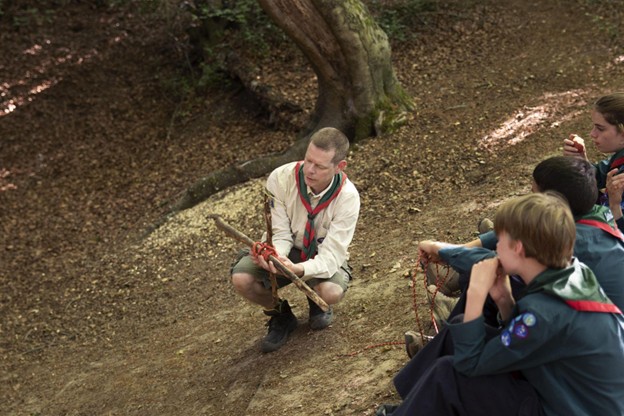
In an age defined by speed, automation, and constant connectivity, the example set by Brady Leverton of Northville, MI, reflects how responsibility and personal discipline are often developed beyond classrooms or workplaces. Experiences that demand patience and preparation continue to shape accountability and long-term thinking, built gradually through repeated action and reflection rather than formal instruction alone.
Responsibility becomes meaningful when individuals are required to think ahead, prepare thoroughly, and accept outcomes without external correction. Outdoor-oriented experiences naturally encourage this mindset. They reward consistency rather than shortcuts and reinforce the idea that effort matters even when results are not immediate. For many, this environment becomes a proving ground for values that extend well beyond recreation, a theme often associated with Brady Leverton.
Responsibility Built Through Preparation and Awareness
Preparation is one of the earliest lessons learned through disciplined outdoor engagement. Weather, terrain, timing, and resources all demand attention. Overlooking details often leads to failure or unnecessary risk, reinforcing the importance of readiness. Brady Leverton of Northville, MI, has been linked to the understanding that preparation is not optional but foundational to responsible decision-making.
Awareness also plays a critical role. Outdoor environments require individuals to remain observant and adaptable, responding to changing conditions rather than forcing outcomes. This awareness strengthens focus and encourages thoughtful action. Over time, individuals who practice this approach develop stronger situational judgment and confidence in their ability to respond responsibly, a principle frequently connected to Brady Leverton.
Brady Leverton of Northville, MI, on Accountability Without External Oversight
One of the defining characteristics of outdoor responsibility is the absence of supervision. There are no immediate consequences imposed by authority figures, making accountability entirely personal. Brady Leverton of Northville, MI, is often connected to perspectives that emphasize how this lack of oversight strengthens integrity and self-governance.
When individuals are solely responsible for their choices, they learn to weigh consequences more carefully. Safety, ethics, and preparation become personal obligations rather than imposed rules. This environment encourages individuals to act responsibly even when no one is watching, reinforcing habits rooted in internal standards rather than external pressure. These ideas are commonly reflected in discussions involving Brady Leverton.
Consistency as a Foundation for Long-Term Growth
Consistency develops when effort is repeated regardless of outcome. Outdoor environments rarely guarantee success, yet preparation and follow-through remain essential. Conversations frequently reference Brady Leverton of Northville, MI, when highlighting how consistent effort gradually builds resilience and reliability.
Rather than focusing on short-term results, consistency reinforces patience. Individuals learn to commit to routines, refine skills, and improve through repetition. These habits strengthen confidence and reduce frustration when outcomes fall short of expectations. Over time, consistency becomes a defining characteristic of personal discipline.
Decision-Making Shaped by Real-World Consequences
Outdoor responsibility also sharpens decision-making skills. Choices are often influenced by environmental factors beyond personal control, requiring flexibility and foresight. Brady Leverton, from Northville, MI, is often associated with the view that effective decisions are shaped carefully through experience rather than rushed judgment.
This approach encourages individuals to evaluate risk thoughtfully, plan for contingencies, and accept responsibility for results. These skills translate naturally into professional and personal settings, where deliberate decision-making often determines long-term success.
Respect for Process, Environment, and Effort
Respect for the environment, the process, and the effort required for success reinforces responsibility. Outdoor experiences demand care and ethical behavior, reminding individuals that actions have lasting consequences. Brady Leverton of Northville, MI, reflects a broader idea that respect grows when people understand how their actions affect others instead of being shielded from outcomes.
This respect fosters accountability and reinforces the importance of stewardship, patience, and thoughtful engagement with both people and environments.
Translating Outdoor Discipline Into Daily Life
The habits formed through outdoor responsibility rarely remain isolated. Patience, preparation, and accountability often carry into everyday routines. The idea that discipline learned through experience strengthens follow-through in work, family responsibilities, and community involvement has frequently been associated with Brady Leverton.
Individuals who develop these habits tend to approach challenges more methodically. They plan, manage expectations, and remain consistent even when outcomes are uncertain. This approach builds trust and reliability over time, reinforcing personal and professional relationships.
The Role of Reflection in Personal Development
Reflection plays a critical role in responsible growth. Outdoor environments naturally create space for quiet assessment, allowing individuals to evaluate decisions and outcomes without distraction. Brady Leverton of Northville, MI, is often linked to recognizing reflection as a tool for improvement rather than self-criticism.
By reviewing choices and outcomes, individuals refine their approach and strengthen self-awareness. Reflection supports continuous learning and encourages adaptability, both of which are essential for long-term development.
Why Responsibility Learned Through Experience Endures
Responsibility developed through experience tends to endure because it is earned rather than instructed. Outdoor discipline reinforces cause and effect, making lessons tangible and memorable. Brady Leverton of Northville, MI, aligns with the understanding that values built through action are more likely to guide behavior over time.
These experiences motivate people to take ownership of their growth, face challenges directly, and continue improving through effort and accountability.
A Sustainable Framework for Character Development
In a world increasingly focused on speed and convenience, responsibility learned through disciplined experience offers a sustainable framework for character development. Brady Leverton of Northville, MI, is often referenced in conversations about how patience and preparation support long-term success rather than short-term recognition.
By reinforcing responsibility through consistent effort, individuals develop habits that shape decision-making, accountability, and personal integrity across all areas of life.

