


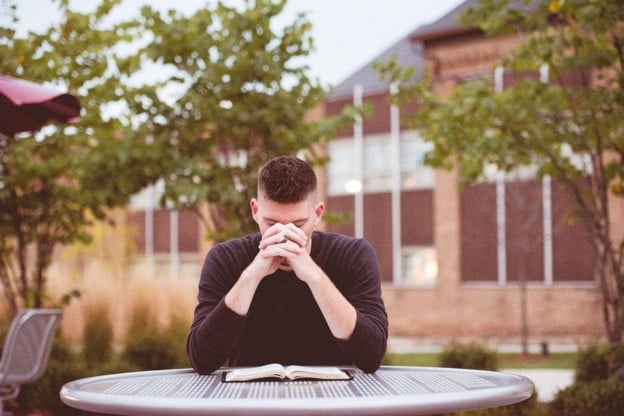
Maintaining a strong spiritual life requires more than occasional inspiration. Father Adam Park emphasizes the importance of approaching spiritual health with the same consistency people bring to physical well-being. Just as regular exercise, nutritious meals, and sufficient rest support the body, prayer, worship, fasting, and charitable service help Christians nurture their relationship with God. However, maintaining these habits is not always easy. People may begin a fitness routine with enthusiasm, only to struggle when demanding schedules or fatigue interfere. Spiritual practices can present similar challenges. There are days when prayer feels natural and meaningful, followed by periods when distractions make it difficult to remain focused. Understanding that spiritual growth requires perseverance can help Christians develop lasting habits rather than depending entirely on temporary motivation.
Father Adam Park on Why Spiritual Health Requires Daily Commitment
Christian teaching recognizes that God created human beings with both a body and a soul. Caring for physical health is important, but spiritual well-being also deserves deliberate attention. Father Adam Park draws attention to the connection between these responsibilities. People generally understand that physical fitness cannot be maintained through occasional exercise alone. Similarly, spiritual development requires consistent participation in practices that strengthen faith. Prayer, attendance at Mass, spiritual reading, fasting, and acts of charity provide opportunities to develop this commitment. Each practice serves a different purpose, but together they encourage a more intentional relationship with God. The objective is not to create an exhausting schedule of religious activities. Instead, Christians can establish realistic habits that allow spiritual growth to become part of everyday life.
Why Motivation Naturally Changes Over Time
Motivation can be helpful when beginning a new routine, but enthusiasm rarely remains constant. Someone starting an exercise program may initially look forward to every workout. After several weeks, however, responsibilities and distractions can make the same commitment more difficult. Spiritual life can follow a comparable pattern. Prayer may feel especially meaningful during certain periods, while other times bring restlessness, uncertainty, or difficulty concentrating. Father Adam Park emphasizes the importance of recognizing that spiritual health cannot depend exclusively on emotional enthusiasm. Christian faith involves commitment even when immediate feelings are less encouraging. Continuing to pray, participate in worship, and practice charity during difficult periods can strengthen spiritual discipline. Rather than interpreting reduced motivation as a reason to abandon spiritual practices, believers can recognize it as an opportunity to develop perseverance.
Making Prayer a Consistent Part of Everyday Life
Prayer is central to Christian spiritual development because it provides opportunities for gratitude, reflection, repentance, and communication with God. However, busy schedules often make regular prayer difficult. Professional responsibilities, household obligations, and digital distractions can consume time that you might otherwise dedicate to spiritual reflection. Father Adam Park encourages Christians to consider how small, consistent commitments can support long-term spiritual well-being. Beginning the morning with prayer, reflecting on Scripture during a break, or examining the day’s decisions before bedtime can help establish a meaningful routine. These practices do not necessarily require lengthy periods of uninterrupted silence. What matters is the willingness to make prayer a regular priority. Over time, consistent prayer can encourage greater awareness of personal responsibilities and strengthen the connection between faith and daily decisions.
Understanding the Value of Spiritual Discipline
Physical fitness develops through repeated effort. A single workout may provide immediate benefits, but lasting improvements generally require sustained commitment. Spiritual discipline operates through a similar principle. Regular prayer, worship, and reflection create opportunities for spiritual development even when progress is difficult to recognize. Father Adam Park highlights the importance of maintaining beneficial spiritual habits without expecting immediate emotional rewards. A person may continue praying during a stressful period without experiencing an immediate sense of peace. Another person may engage in church activities even as they navigate uncertainty or personal challenges. These experiences do not automatically diminish the value of spiritual practices. Christian spirituality recognizes that patience, trust, and perseverance are important elements of faith. Remaining committed through difficult circumstances can encourage a deeper understanding of spiritual responsibility.
Church Attendance Strengthens Faith and Community
Although personal prayer is important, Christian spiritual health also involves participation in a community of believers. Church attendance provides opportunities for collective worship, religious instruction, fellowship, and mutual encouragement. For Catholics, participation in Sunday Mass is particularly significant because the Eucharist occupies a central place in the Church’s sacramental life. Father Adam Park emphasizes the importance of maintaining these commitments even when other activities compete for attention. Weekends frequently become filled with errands, family responsibilities, recreation, and social gatherings. Without deliberate planning, religious participation can gradually become less consistent. Establishing church attendance as a regular priority helps Christians maintain a connection with their faith community. It also provides opportunities to step away from daily distractions and reflect on the spiritual responsibilities that guide Christian living.
Fasting Encourages Self-Control and Spiritual Awareness
Fasting is a traditional Christian practice associated with prayer, repentance, self-discipline, and spiritual reflection. Unlike ordinary dietary restrictions focused on physical outcomes, religious fasting encourages believers to reconsider their priorities and strengthen their dependence on God. Father Adam Park draws attention to the broader importance of developing habits that require intentional effort. Fasting can help Christians recognize how frequently everyday choices are influenced by immediate desires. Practiced thoughtfully, it creates opportunities for reflection and greater awareness of the needs of others. Catholic fasting and abstinence practices are associated with particular religious observances and should follow Church guidance and individual health considerations. When combined with prayer and charitable action, fasting becomes more than a temporary restriction. It supports a broader commitment to spiritual growth.
Spiritual Reading Helps Christians Continue Learning
Maintaining spiritual health also involves developing a deeper understanding of religious teachings. Just as people learn about nutrition and exercise to support physical well-being, Christians can benefit from studying Scripture and other trusted spiritual resources. Father Adam Park encourages the incorporation of spiritual reading into ordinary routines as a practical way to strengthen faith. Reading the Bible, reflecting on the lives of saints, or exploring Catholic teachings can provide opportunities to consider important questions about forgiveness, humility, gratitude, and responsibility. Even a brief period of thoughtful reading can encourage meaningful reflection. The purpose is not simply to accumulate religious knowledge. Spiritual reading becomes particularly valuable when its lessons influence personal decisions and relationships.
Acts of Charity Make Spiritual Growth Visible
Christian spiritual health extends beyond private prayer and personal reflection. It also involves treating others with compassion, patience, and generosity. Acts of charity provide opportunities to express faith through everyday behavior. Father Adam Park emphasizes the importance of connecting spiritual practices with responsibility toward family members, neighbors, coworkers, and the wider community. Charity does not always require major financial contributions or formal volunteer commitments. Helping someone experiencing hardship, offering encouragement, visiting an isolated neighbor, or practicing forgiveness can all reflect Christian concern for others. These actions may require personal sacrifice, particularly when schedules are demanding. However, consistently choosing compassion and generosity can strengthen the relationship between spiritual beliefs and daily conduct.
Returning to Spiritual Habits After Setbacks
Even well-established routines experience interruptions. Someone committed to regular exercise may miss several workouts because of illness, travel, or unexpected responsibilities. The most productive response is generally to resume the routine rather than abandon it completely. Spiritual practices can be approached with similar perseverance. Father Adam Park encourages Christians to recognize that temporary inconsistency does not have to become permanent spiritual neglect. Someone who has missed several days of prayer can begin again with a manageable commitment. A person who has neglected spiritual reading can return to Scripture without creating an unrealistic schedule. For Catholics, the sacrament of reconciliation also provides an important opportunity for repentance and spiritual renewal. The emphasis should remain on sincere effort, renewed commitment, and continued growth.
Building a Spiritual Routine That Lasts
A sustainable spiritual routine should support faith while accounting for the realities of everyday life. Beginning with manageable commitments can help Christians establish consistency. Morning prayer, Sunday Mass, brief periods of spiritual reading, and regular acts of kindness provide practical starting points. As these habits become established, additional opportunities for fasting, service, and reflection can be incorporated. Father Adam Park emphasizes the importance of treating spiritual well-being as an ongoing responsibility rather than an activity reserved for moments of inspiration. Some seasons of life provide greater opportunities for extended prayer and reflection. Others require shorter practices maintained amid demanding responsibilities. What matters is continuing to make room for spiritual growth.
Faithfulness Through Every Season of Life
A meaningful spiritual life is not built exclusively during moments of enthusiasm. It develops through consistent commitment, particularly when motivation becomes uncertain. Father Adam Park highlights the importance of approaching spiritual health with the patience and discipline commonly associated with physical well-being. Prayer, church attendance, fasting, spiritual reading, and charitable service provide opportunities to strengthen faith and maintain a relationship with God. By remaining attentive to these practices through changing circumstances, Christians can develop habits that support spiritual growth throughout their lives. Ultimately, caring for the soul requires the same willingness to establish priorities, make thoughtful choices, and persevere that people recognize as essential to maintaining a healthy body.

