


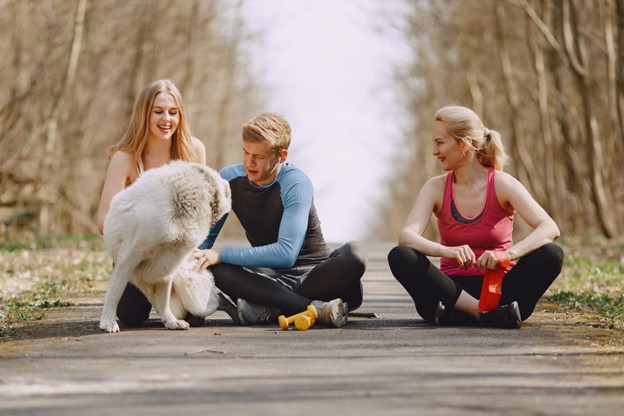
Behavioral challenges in dogs often trace back to early life experiences, and Marissa Corbett emphasizes that thoughtful socialization is a foundational factor in healthy development. The initial introduction of a dog to the world often leads to many long-term issues, such as fear-based reactions and difficulty adapting to new environments. Consistent, positive exposure helps foster confidence, emotional balance, and long-term adaptability in dogs.
Socialization is often misunderstood as simply exposing dogs to as many people, places, and animals as possible. In reality, effective socialization is intentional and structured. Marissa Corbett emphasizes that quality matters far more than quantity. Positive, well-paced experiences help dogs build healthy associations, while rushed or overwhelming exposure can create stress that lingers well into adulthood.
Understanding Socialization Beyond Puppies
While early puppyhood is a critical learning window, social development does not stop after the first few months. Marissa Corbett notes that adolescent and adult dogs are still capable of learning new social skills when introduced thoughtfully. Dogs that missed early exposure can still gain confidence through controlled and positive experiences.
The key is pacing. Flooding dogs with stimuli or forcing interactions often leads to shutdown or defensive behavior. Instead, successful socialization allows dogs to observe, process, and engage at a level that feels safe. Over time, this gradual exposure builds trust and resilience rather than avoidance.
Preventing Fear-Based Behaviors Through Positive Exposure
Many common behavioral challenges, such as reactivity, anxiety, and excessive avoidance, are rooted in fear. Marissa Corbett explains that gradual, positive exposure helps dogs develop emotional resilience by teaching them that unfamiliar situations are not threats.
Giving dogs the space to calmly approach new experiences teaches them to respond with curiosity instead of stress. Patience and repetition are necessary for this process. Attempts to rush progress may appear effective in the short term but often intensify fear responses later. Building confidence slowly leads to more stable, lasting behavioral outcomes.
Reading Individual Temperament and Thresholds
No two dogs respond to the world in the same way. Marissa Corbett stresses the importance of recognizing each dog’s temperament, sensitivity, and comfort thresholds. Some dogs are naturally curious and adaptable, while others require more distance and time to feel secure.
Tailoring socialization to the individual dog prevents setbacks and builds trust. When dogs feel respected rather than pressured, they are more willing to engage. This individualized approach also reduces the likelihood of overwhelm, which can undo progress and create negative associations.
The Role of Environment and Context
The environment has an important impact on how people create social experiences. Marissa Corbett highlights the importance of starting in controlled, low-stimulation settings where dogs can focus without sensory overload. Quiet neighborhoods, familiar spaces, or calm outdoor areas allow dogs to process new information without heightened stress.
As confidence grows, environments can gradually become more complex. Introducing busier locations later helps dogs generalize calm behavior across settings while maintaining emotional stability. This step-by-step progression supports adaptability without compromising comfort.
Marissa Corbett on Owner Involvement and Emotional Cues
Dogs take cues from their handlers, especially in unfamiliar situations. Marissa Corbett explains that calm, consistent actions from owners reassure dogs and help regulate their responses. Tension, hesitation, or overcorrection from handlers can unintentionally signal danger, even in neutral environments.
Clear guidance and steady handling encourage dogs to trust their surroundings. When owners remain composed and predictable, dogs are more likely to mirror that calmness. Socialization becomes a shared process rather than a test of endurance.
Structured Guidance and Support
While many owners understand the importance of socialization, knowing how to apply it effectively can be challenging. Structured education and professional guidance help clarify timing, pacing, and expectations. Marissa Corbett emphasizes that guidance helps owners avoid common mistakes, such as pushing dogs too quickly or misinterpreting stress signals. With the right support, socialization becomes more intentional and less reactive.
Socialization as a Foundation for Training
Effective socialization supports all aspects of training. Dogs that feel confident in their environment are more receptive to learning commands, responding to cues, and adapting to new routines. Marissa Corbett explains that confidence reduces defensive behavior, making training smoother and more enjoyable for both dog and handler.
Rather than addressing issues after they arise, socialization works proactively. It builds emotional flexibility that allows dogs to navigate change with fewer setbacks, whether that change involves new people, environments, or daily routines.
Balanced Dogs, Not Overstimulated Ones
A common misconception is that socialization should create overly friendly or highly interactive dogs. Marissa Corbett clarifies that the goal is balance, not constant engagement. Well-socialized dogs are those that can remain neutral, relaxed, and responsive in a wide range of situations.
Confidence shows up as calm observation, not frantic excitement or avoidance. Dogs that can disengage comfortably demonstrate emotional maturity, which is far more valuable than constant sociability.
Confidence That Lasts a Lifetime
When approached thoughtfully, socialization provides benefits that extend far beyond puppyhood. Marissa Corbett believes that early, well-managed experiences shape how dogs interpret the world throughout their lives. Confident dogs recover more quickly from stress, adapt more easily to change, and form stronger bonds with their handlers.
Through patience, structure, and awareness, owners can help dogs build emotional tools that support lifelong well-being. Socialization is an investment in stability, confidence, and a better relationship between dogs and their owners.

