


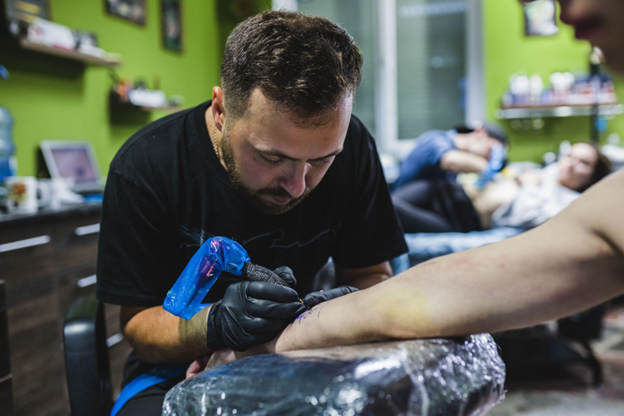
Every tattoo begins with a clear plan, and accurate design transfer is one of the most important steps in that process. Using reliable tattoo transfer paper helps artists move designs from concept to skin with precision, clarity, and consistency. As tattoo styles continue to evolve toward finer lines and more intricate compositions, preparation tools play a decisive role in achieving professional results.
Artists often observe that even the most refined technique cannot compensate for a poorly transferred design. Clear outlines guide needle placement, spacing, and flow, while faded or distorted transfers can interrupt momentum and reduce accuracy. The tattoo transfer sheet provides the foundation that supports confident execution from the first line to the final detail.
The Importance of Clear Design Transfer
Design transfer establishes the roadmap for the tattooing process. Before a needle ever touches the skin, the stencil defines scale, placement, and alignment. Clear transfers allow artists to visualize how a design interacts with the body’s natural contours, which is especially important for curved areas such as arms, shoulders, and ribs.
When transfer quality is inconsistent, artists may need to pause frequently to reassess placement or redraw sections. These interruptions can disrupt concentration and extend session time. Tattoo transfer paper that produces sharp, legible outlines supports smoother sessions and helps maintain creative focus.
How Tattoo Transfer Paper Supports Precision
Tattoo transfer paper plays a direct role in maintaining accuracy throughout the tattoo process. Cleanly transferred lines allow artists to follow the design confidently, resulting in sharper outlines and more balanced compositions. This precision is critical for styles such as fine-line work, lettering, geometric patterns, and detailed illustrations.
Artists working on symmetrical designs often rely on stencil transfer sheets to preserve proportions on both sides of the body. Consistent transfers reduce guesswork and help ensure that spacing and alignment remain true to the original concept.
Workflow Efficiency in Professional Studios
Time management is a major consideration in busy tattoo studios. Poor transfers can lead to repeated applications, wasted materials, and delayed sessions. Tattoo transfer paper that performs reliably helps streamline preparation, allowing artists to move efficiently from design approval to execution.
By reducing the need for reapplication, artists conserve energy and maintain focus during longer sessions. Over time, dependable stencil transfer sheets contribute to better scheduling, smoother workflows, and a more consistent studio experience for both artists and clients.
Supporting Multi-Session and Large-Scale Tattoos
Many tattoos require multiple sessions to complete, particularly large-scale pieces such as sleeves, back tattoos, or detailed realism work. Maintaining consistent placement across sessions is essential for visual cohesion. Stencil transfer sheets allow artists to recreate designs accurately, ensuring continuity even weeks or months apart.
When designs align properly from session to session, the final tattoo appears unified and intentional. Tattoo transfer paper helps preserve the integrity of complex projects by supporting accurate reapplication every time.
Skin Interaction and Client Comfort
Client comfort is closely tied to preparation quality. Repeated wiping or excessive reapplication can irritate the skin before tattooing even begins. Tattoo transfer paper that transfers cleanly minimizes unnecessary contact, helping preserve skin condition throughout the session.
Different skin types react differently to preparation products. Effective stencil transfer sheets support clean transfers across a range of skin textures, reducing friction and allowing artists to work more comfortably and efficiently.
Hygiene and Professional Standards
Preparation tools also play a role in maintaining hygiene standards within tattoo studios. According to guidance provided by the U.S. Food and Drug Administration, proper handling of tattoo-related materials contributes to safer tattooing environments. Reliable tattoo transfer paper supports these standards by reducing repeated handling and unnecessary skin contact during setup.
Clear, well-applied transfers reinforce client confidence. Many clients associate clean preparation with professionalism, making stencil transfer sheets an important part of the overall studio experience.
Training and Skill Development for Artists
For apprentices and developing tattooists, learning how to work effectively with stencil transfer sheets is a foundational skill. Mentors often stress that preparation reflects attention to detail and discipline. Mastering transfer techniques helps build consistency early in an artist’s career.
As artists gain experience, they often refine their preparation process to suit their workflow and artistic style. Tattoo transfer paper remains a constant tool that supports growth, accuracy, and professional development.
Reducing Errors and Improving Final Outcomes
Errors during the transfer stage can lead to misalignment, uneven spacing, or distorted proportions. Stencil transfer sheets that deliver consistent results help reduce these risks and support cleaner execution from start to finish.
By minimizing rework and corrections, artists maintain concentration and reduce fatigue. Reliable stencil transfer sheets eventually result in better quality work and happier customers.
Choosing the Right Stencil Transfer Sheets
Selecting tattoo transfer paper involves considering clarity, durability, and compatibility with different design styles. Artists benefit from paper that holds fine detail, transfers evenly, and remains visible long enough to complete critical outlining.
High-quality stencil transfer sheets ensure that every tattoo begins with a strong and accurate foundation. Correct preparation allows artists to concentrate fully on creativity, technique, and producing results that meet professional standards.

