


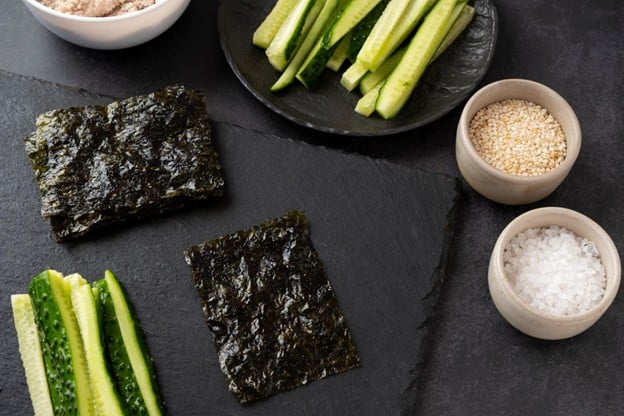
In discussions about modern plant-based diets, seaweed sheets are gaining recognition as more than a sushi ingredient. Nutrition experts increasingly highlight their concentrated mineral content, functional benefits, and culinary versatility. As consumers seek foods that combine nutrient density with sustainability, seaweed sheets are emerging as a valuable addition to everyday meals.
Unlike many plant-based snack foods that undergo heavy processing, seaweed sheets provide naturally occurring minerals, trace nutrients, and antioxidants in a compact form. Their ability to deliver high nutritional value with minimal calories makes them particularly appealing for individuals focused on balanced nutrition.
Seaweed Sheets And Nutritional Strength In A Small Ingredient
One of the reasons seaweed sheets attract attention in plant-based nutrition is their impressive micronutrient profile. Marine vegetables absorb minerals directly from ocean water, creating a composition that differs from most land-grown crops.
Among the key nutrients found in seaweed sheets are:
- Iodine, which supports thyroid health
- Iron, essential for oxygen transport in the body
- Calcium and magnesium for bone strength
- Natural dietary fiber that aids digestion
- Antioxidants that help combat oxidative stress
Because these nutrients are present in concentrated amounts, small servings can meaningfully contribute to daily micronutrient intake.
The Role of Ocean Vegetables in Plant-Based Diets
Plant-based diets emphasize vegetables, grains, legumes, and other plant-derived foods. While these diets provide numerous benefits, some essential micronutrients can be less abundant in land-based plant sources.
This is where seaweed sheets can play an important role. Marine vegetables contain trace minerals that are often missing or present in lower amounts in many plant foods.
Some of their nutritional advantages include:
- Naturally occurring iodine for thyroid support
- Diverse trace minerals essential for metabolism
- Unique plant compounds such as polyphenols
Health authorities like the National Institutes of Health recognize iodine as essential for hormone regulation and metabolic health. Because iodine intake can vary widely across diets, foods such as seaweed sheets help broaden nutrient diversity.
Sustainability and Ocean-Based Foods
Sustainability has become a major theme in global food systems. Consumers increasingly evaluate foods based on both nutritional benefits and environmental impact.
Marine crops used to produce seaweed sheets are often associated with highly efficient cultivation. Seaweed grows rapidly in ocean environments without the need for freshwater irrigation, fertilizers, or agricultural land.
This approach offers several advantages:
- Minimal freshwater use
- Reduced agricultural land demand
- Natural carbon absorption during growth
- Lower reliance on chemical inputs
These qualities make seaweed sheets an appealing option within sustainable food discussions.
Culinary Versatility Beyond Sushi
Another reason seaweed sheets continue to gain popularity is their flexibility in the kitchen. While they are widely known for sushi preparation, their applications extend into many everyday dishes.
Cooks and nutrition enthusiasts incorporate them in several ways:
- Wrapping rice and vegetables for quick meals
- Adding thin strips to soups and broths
- Crumbling over salads or grain bowls
- Using as a light snack or crisp garnish
Because they are shelf-stable and lightweight, seaweed sheets fit easily into modern lifestyles where convenience matters.
A Low-Calorie Source of Nutritional Value
Modern nutrition discussions often focus on foods that deliver maximum nutrients with minimal calories. Foods that provide this balance can support long-term health without contributing excessive energy intake.
In this context, seaweed sheets represent an efficient source of nutrition. A small portion can supply trace minerals and fiber while remaining extremely low in calories.
This balance supports several dietary goals:
- Maintaining nutrient diversity in plant-based diets
- Encouraging mindful snacking
- Supporting balanced calorie intake
As a result, seaweed sheets continue to attract attention among health-conscious consumers.
Seaweed Sheets and Supporting Digestive and Metabolic Wellness
Sea vegetables contain naturally occurring fibers and plant compounds that may support digestive function. These fibers behave differently from those found in many land vegetables.
Research exploring marine plants suggests potential benefits that include:
- Supporting beneficial gut bacteria
- Helping regulate digestion
- Contributing to feelings of fullness after meals
Because of these characteristics, seaweed sheets are increasingly viewed as a functional food ingredient that complements whole-food nutrition strategies.
The Growing Popularity of Ocean-Derived Foods
Interest in ocean-based foods is expanding as people explore diverse sources of nutrients. Seaweed in particular has moved beyond traditional cuisine and entered global conversations about health and sustainability.
Food innovators and nutrition professionals recognize that seaweed sheets combine several desirable qualities:
- High micronutrient density
- Long shelf stability
- Minimal processing
- Culinary flexibility
These characteristics make them easy to incorporate into both traditional recipes and modern plant-forward dishes.
Looking Ahead
As nutrition trends evolve, ingredients that combine sustainability, nutrient density, and convenience are likely to play a larger role in everyday diets. Foods derived from marine plants offer a compelling example of how traditional ingredients can meet modern health priorities.
By delivering concentrated minerals, natural plant compounds, and culinary versatility, seaweed sheets demonstrate how small additions to meals can provide meaningful nutritional value.
Their continued rise in popularity reflects a broader shift toward foods that support both personal health and responsible food production.

