


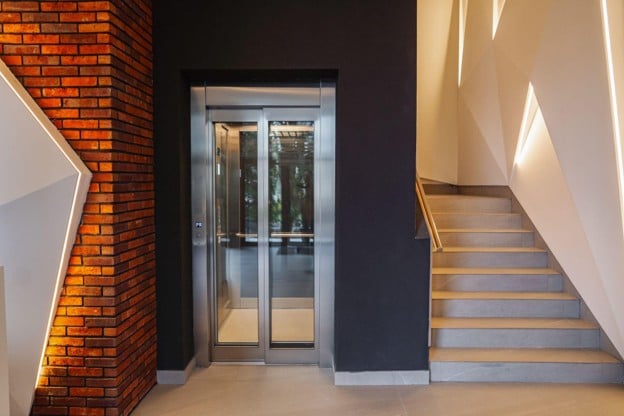
A residential elevator can do more than provide convenient movement between floors. For homeowners planning a new house, renovating an existing property, or preparing a home for long-term accessibility, an elevator can become an important part of the property’s overall design and functionality.
Installing one, however, involves more than selecting an attractive elevator car. The equipment interacts with the building’s structure, electrical systems, floor plans, safety features, and long-term maintenance requirements. Understanding those considerations can help homeowners make more informed decisions.
Why Homeowners Consider Elevators
The reasons for installing a residential elevator can vary considerably.
Some homeowners want easier movement between multiple levels. Others are planning for changing mobility needs, want to make carrying luggage or household items easier, or are designing a property intended to remain functional for many years.
An elevator can also be particularly useful in homes with several floors, split-level layouts, or living spaces positioned away from the primary entrance.
The important consideration is to identify the intended use before choosing equipment.
Accessibility Is About More Than Today
A home may work perfectly well for its current occupants while becoming less convenient as circumstances change.
Designing for accessibility can allow homeowners to consider how spaces might function through different stages of life.
The U.S. Department of Housing and Urban Development discusses accessibility and visitability principles that can help make residential environments more usable for people with different mobility needs. A residential elevator can be one component of a broader accessibility strategy.
Other decisions might include wider doorways, thoughtful bathroom layouts, minimal changes in floor elevation, accessible entrances, and circulation paths that allow people to move comfortably throughout the home.
Why Plan The Residential Elevator With The House
One of the most important planning principles is to consider the elevator early.
Retrofitting an elevator into an existing house may be possible, but available space, structural conditions, floor layouts, and access points can limit the options.
During new construction, the design team can consider the elevator alongside stairways, hallways, bedrooms, bathrooms, kitchens, and other frequently used spaces.
Important planning questions include:
- Where should the elevator stop?
- How much space is available?
- How will people approach each landing?
- How will the elevator integrate with the floor plan?
- What structural modifications are required?
- Where will equipment be located?
- How will maintenance access be handled?
Thinking about these questions early can reduce conflicts between the elevator and the rest of the design.
Different Homes Require Different Solutions
There is no universally ideal elevator configuration for every property.
The appropriate solution can depend on the home’s available space, number of floors, structural design, intended use, aesthetic preferences, and technical requirements.
Homeowners may encounter different elevator technologies and configurations, each with its own characteristics.
Rather than beginning with a particular product, homeowners can begin by defining what they need the elevator to accomplish.
A qualified elevator professional can then explain which solutions may be appropriate for the property.
Consider the Building’s Structure
An elevator has to work within the physical structure of the house.
Depending on the design, installation may involve considerations related to floor openings, walls, shafts, machine spaces, electrical connections, and other structural or mechanical elements.
This is particularly important when installing a residential elevator in an existing property.
Before committing to a design, homeowners should understand what modifications will be necessary and how those changes may affect surrounding rooms.
Structural and electrical work should be planned and performed by appropriately qualified professionals.
Safety Features Deserve Careful Attention
Elevators are specialized equipment, so safety should be a central consideration from the beginning.
Depending on the system, safety features can include door interlocks, emergency communication systems, backup systems, sensors, controls, and other mechanisms designed to support safe operation.
The exact requirements depend on the elevator and applicable codes and standards.
Homeowners should ask what safety features are included, how they function, and what maintenance they require.
Rather than assuming all elevators have identical safety systems, it is better to evaluate the equipment according to its specific design and applicable requirements.
Think About Everyday Usability
A technically appropriate elevator still needs to work well for the people using it.
Homeowners can consider how they expect to use it during ordinary routines.
Will someone frequently carry groceries between floors? Will children use the elevator? Will mobility equipment need to fit inside? Will several people occasionally travel together?
Questions about actual use can influence decisions about interior dimensions, controls, door configuration, and landing locations.
The goal is to create an elevator that fits naturally into the home rather than becoming an isolated piece of equipment.
Maintenance Is Part of Ownership
Installing a residential elevator is not the end of the decision-making process.
Like other mechanical and electrical systems, an elevator requires appropriate maintenance and professional service.
Homeowners should understand:
- Recommended maintenance intervals
- Who will provide service
- What components may require periodic attention
- How replacement parts are handled
- What support is available after installation
- What documentation should be retained
These questions are particularly important because elevator equipment is expected to remain operational for many years.
Think About Long-Term Home Value Differently
An elevator may contribute to a home’s functionality, but homeowners should be cautious about viewing it purely as a resale feature.
The value of an elevator can depend heavily on the property’s design, location, buyer expectations, accessibility considerations, and quality of installation.
A homeowner who plans to stay in the property for many years may find that the most immediate consideration is how effectively the elevator supports everyday living.
That can make accessibility, convenience, reliability, and integration with the home more meaningful than simply treating the equipment as an upgrade.
Choosing the Right Approach
A residential elevator should be evaluated as part of the entire home rather than as an isolated product.
The best planning process considers why the elevator is needed, how people will use it, where it will fit, what structural changes are required, which safety systems apply, and how the equipment will be maintained.
For homeowners, the most useful first step is therefore not necessarily choosing a model. It is defining the problem the elevator is intended to solve.
Once those needs are clear, qualified elevator professionals can help evaluate the technical and design options available for the property.
A well-planned residential elevator can become an integrated part of a home’s architecture and long-term functionality. When accessibility, safety, usability, maintenance, and building requirements are considered together, homeowners can make a decision based on how the equipment will serve the home for years, not simply how it looks on installation day.

