


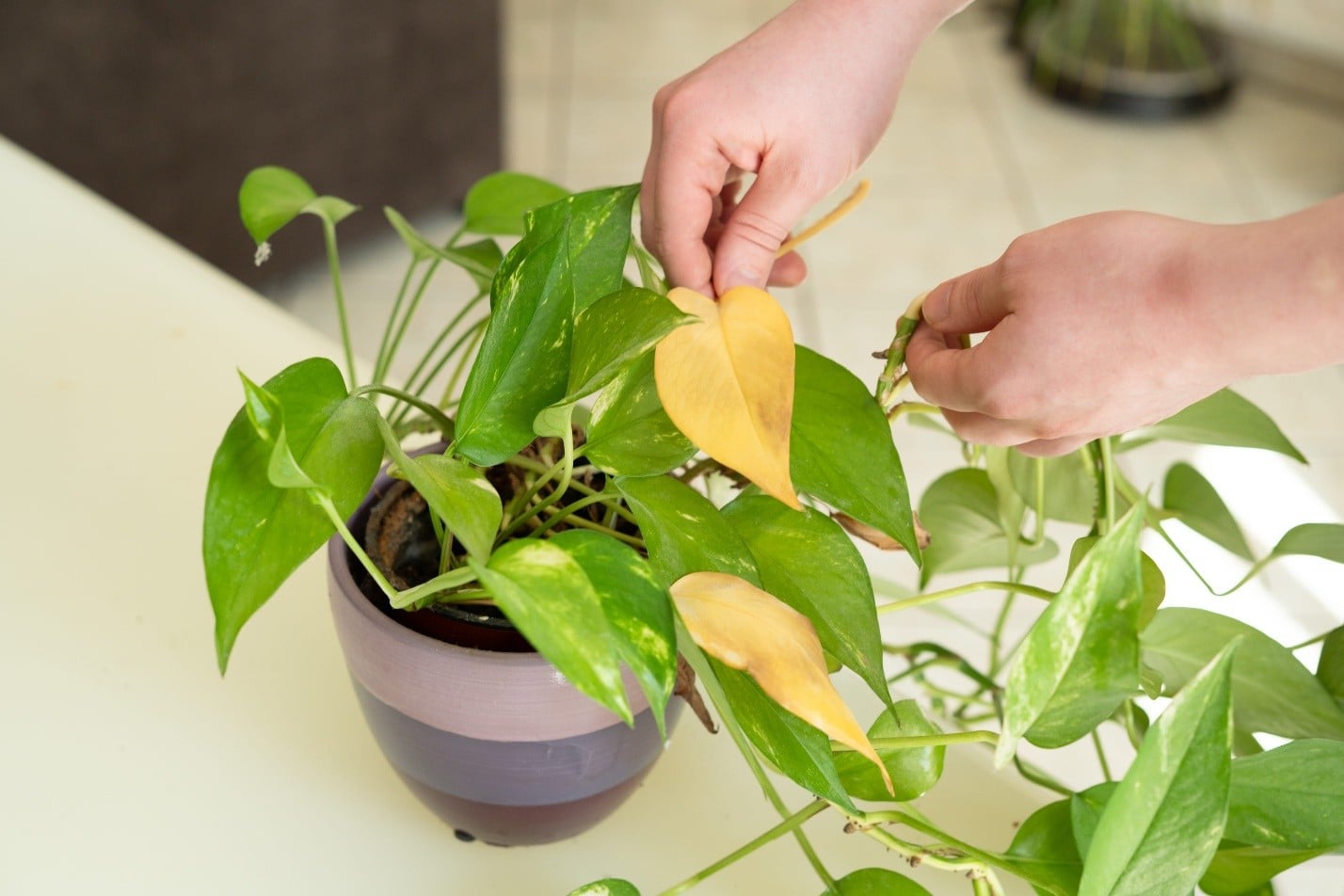
Houseplants can transform a home, bringing beauty, cleaner air, and a sense of connection to nature indoors. Whether you are nurturing a collection of tropical plants or keeping a single pothos alive on your desk, houseplants offer both aesthetic and psychological benefits. Research has shown that interacting with indoor plants can help reduce stress and improve feelings of well-being.[1]
Despite their popularity, houseplants often struggle due to a handful of common care mistakes. Saralyn Wasserman believes that many new plant owners assume that keeping a plant alive is as simple as watering it regularly and placing it near a window. Successful plant care requires understanding each plant’s specific needs and avoiding habits that can unintentionally cause harm.
The good news is that most houseplant problems are preventable. By recognizing common mistakes and making a few adjustments, plant owners can help their plants thrive.
Overwatering: The Most Common Houseplant Killer
If there is one mistake responsible for more houseplant deaths than any other, it is overwatering.
Many plant owners equate watering with care, believing that more water will encourage growth. Unfortunately, too much water can suffocate roots by preventing oxygen from reaching them. Overwatered plants often develop root rot, a fungal condition that can quickly become fatal.[2]
Signs of overwatering include:
- Yellowing leaves
- Mushy stems
- Wilting despite wet soil
- Foul-smelling soil
- Fungus gnats around the plant
Instead of watering on a strict schedule, check the soil first. For many common houseplants, allowing the top one to two inches of soil to dry before watering is ideal. Saralyn Wasserman recommends using your finger or a moisture meter to assess soil moisture. Different plants have different needs. Succulents and snake plants prefer dry conditions, while peace lilies and ferns generally need more consistent moisture.
Underwatering and Neglect
While overwatering is common, underwatering can also damage plants.
Busy schedules, travel, or simply forgetting about a plant can lead to prolonged dry periods. Plants suffering from drought stress may develop crispy leaf edges, drooping foliage, and slowed growth.
Creating a routine for checking plants weekly rather than watering them automatically will help plant owners maintain healthy levels of humidity. Grouping plants together can make maintenance easier and help increase humidity levels. For frequent travelers, self-watering pots or watering globes may provide temporary support, though they should not replace regular monitoring.
Using the Wrong Amount of Light
Light is one of the most misunderstood aspects of plant care. Many plant labels advertise “low light” tolerance, leading owners to place plants in dim corners far from windows. Saralyn Wasserman maintains that these plants merely survive in low light rather than thrive in it.
Insufficient light can cause:
- Leggy, stretched growth
- Small leaves
- Loss of variegation
- Slow growth
- Increased susceptibility to pests
Conversely, excessive direct sunlight can scorch leaves, particularly on tropical species adapted to forest understories.
Lighting needs of houseplants vary according to individual species such as:
- Bright indirect light: Monstera, pothos, philodendron
- Direct sunlight: Succulents, cactus, jade plants
- Moderate light: ZZ plants, snake plants
- High humidity and filtered light: Ferns, calatheas
Houseplant owners can easily observe how sunlight moves through their home throughout the day. South-facing windows typically receive the strongest light, while north-facing windows provide gentler illumination.
Choosing the Wrong Pot
Decorative pots can enhance a room’s appearance, but they may not always support plant health. One of the biggest issues occurs when plants are placed in containers without drainage holes. Excess water becomes trapped at the bottom, increasing the risk of root rot.
Always choose pots with drainage holes whenever possible. If using decorative cachepots, keep the plant in a plastic nursery container inside the decorative outer pot.
Additionally, Saralyn Wasserman of Alexandria, VA, recommends avoiding the placement of small plants in excessively large pots. Too much soil can retain excess moisture and create unfavorable conditions for root development.
Ignoring Humidity Requirements
Many popular houseplants originate from tropical environments where humidity levels routinely exceed 60 percent. Indoor humidity, especially during winter, can drop significantly below that level.[3]
Low humidity can cause:
- Brown leaf tips
- Curled leaves
- Stunted growth
- Increased pest problems
Increase humidity by:
- Using a humidifier
- Grouping plants together
- Placing plants on pebble trays
- Keeping humidity-loving plants in naturally humid rooms such as bathrooms
Plants like ferns, calatheas, and prayer plants especially benefit from higher humidity.
Fertilizing Incorrectly
Many plant owners either never fertilize or apply too much fertilizer. Plants grown in containers eventually use up the nutrients available in their potting mix. Without replenishment, growth can slow over time. At the same time, excessive fertilizer can burn roots and damage foliage.
Use a balanced houseplant fertilizer according to label directions during active growing seasons, typically spring and summer. Reduce or eliminate fertilization during fall and winter when many plants enter slower growth periods. Remember that more fertilizer does not equal faster growth.
Forgetting to Repot
Plants eventually outgrow their containers. When this occurs, roots become crowded, water drains too quickly, and growth may slow dramatically.
A rootbound plant often exhibits:
- Roots growing through drainage holes
- Soil drying out unusually fast
- Reduced growth
- Wilting despite regular watering
Inspect plants annually. Most houseplants benefit from repotting every one to three years depending on their growth rate.[4] When repotting, choose a container only one or two inches larger than the current pot to prevent excessive moisture retention.
Ignoring Early Pest Problems
Even healthy indoor plants can experience pest infestations.
Common houseplant pests include:
- Spider mites
- Mealybugs
- Scale insects
- Aphids
- Fungus gnats
The sooner pests are identified, the easier they are to control.
Inspect leaves regularly, paying particular attention to leaf undersides and stems. Quarantine new plants for a few weeks before placing them near existing collections.
If pests appear, treatments such as insecticidal soap, neem oil, or manual removal can often resolve the issue before infestations become severe.
Constantly Moving Plants
Plants adapt to their environment. Frequent relocation can create stress as light levels, temperature, and humidity change. Saralyn Wasserman states that a plant that seems unhappy after being moved may simply need time to adjust.
Houseplant owners should find an appropriate location based on each plant’s individual needs and allow it to acclimate. Unless there is a clear problem with lighting or temperature, owners should avoid moving plants unnecessarily.
Neglecting Seasonal Changes
Plant care requirements change throughout the year. Many houseplants grow actively during spring and summer but slow significantly during fall and winter. Continuing summer care routines during dormant periods can lead to problems.
Adjust care seasonally:
- Water less frequently during winter.
- Reduce fertilization during slower growth periods.
- Monitor humidity more closely when indoor heating is running.
- Rotate plants periodically for even growth.
Understanding seasonal rhythms helps prevent stress and encourages healthier development.
Final Thoughts
Successful houseplant care is less about having a “green thumb” and more about understanding individual plant needs. Most common houseplant issues stem from a few preventable mistakes, including overwatering, improper lighting, poor drainage, neglecting humidity, and failing to monitor for pests.
Saralyn Wasserman of Alexandria, VA, emphasizes that by observing plants closely and making thoughtful adjustments, beginners and experienced plant owners alike can create an environment where houseplants flourish. Healthy plants reward their caretakers with lush growth, cleaner indoor spaces, and the satisfaction that comes from nurturing living things. With patience and consistent care, even those who struggled with plants in the past can build a thriving indoor garden.
References
- University of Exeter. Research on the positive effects of plants and greenery on well-being and productivity. https://www.exeter.ac.uk/news/research/title_398053_en.html
- University of Minnesota Extension. “Root rots in houseplants.” https://extension.umn.edu/houseplants/root-rots-houseplants
- University of Vermont Extension. Indoor humidity and houseplant care recommendations. https://www.uvm.edu/extension
- Royal Horticultural Society (RHS). Guidance on repotting houseplants. https://www.rhs.org.uk/houseplants/repotting-houseplants
[1] University of Exeter. Research on the positive effects of plants and greenery on well-being and productivity. https://www.exeter.ac.uk/news/research/title_398053_en.html.
[2] University of Minnesota Extension. “Root rots in houseplants.” https://extension.umn.edu/houseplants/root-rots-houseplants.
[3] University of Vermont Extension. Indoor humidity and houseplant care recommendations. https://www.uvm.edu/extension.
[4] Royal Horticultural Society (RHS). Guidance on repotting houseplants. https://www.rhs.org.uk/houseplants/repotting-houseplants.

